10 Easy Porch Roof Design Ideas That Wow
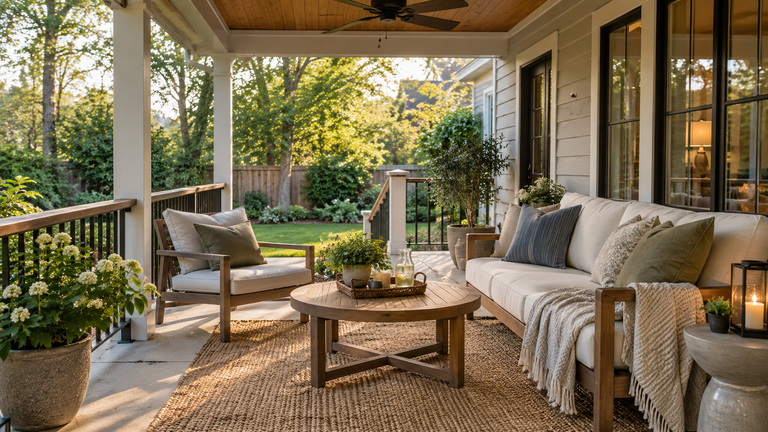
Walking up to a house with no porch cover always feels like something is missing.
You end up squinting in full sun or fumbling with keys in the rain right at your own front door.
You Might Also Like
Most people think fixing that means a full remodel, so the whole idea just sits untouched for years.
Turns out the right roof over your entry is often a fast, focused project with a payoff that lasts for decades.
A smart porch roof design does more than block weather, it changes how the entire front of your home feels.
Suddenly you get real shade, real curb appeal, and somewhere to actually sit outside, kinda slaps honestly 🛠️
1. Connect a deck roof directly to your house
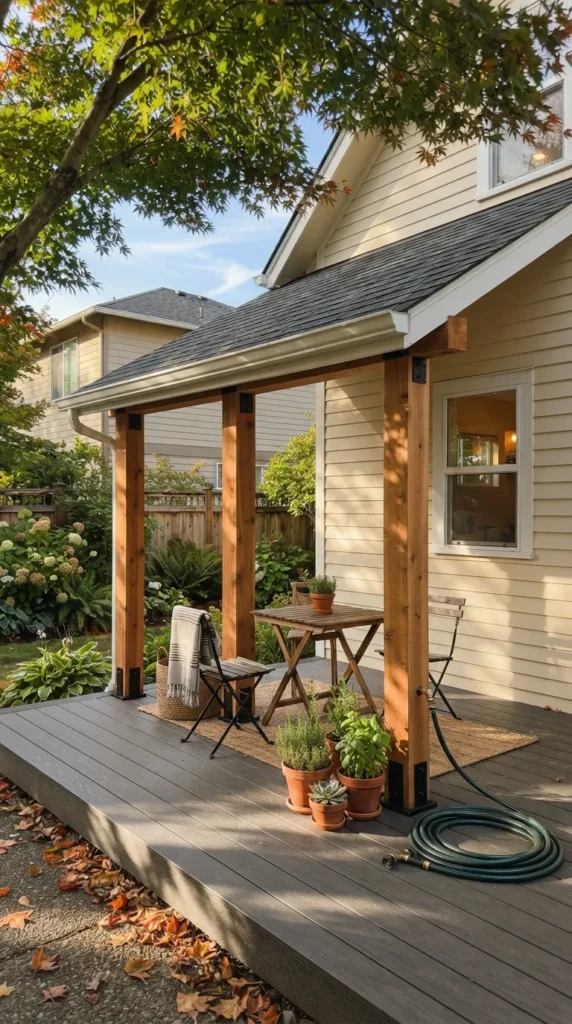
Tying a deck roof straight into your house wall gives the structure one solid, dependable anchor point instead of relying on freestanding posts.
This move works especially well when your deck sits right off the back of the house and bakes in afternoon sun for hours at a stretch.
Lining the new roof pitch up with your main roofline keeps the addition from reading as an afterthought.
It remains one of the more beginner friendly porch roof design paths when a deck already exists.
2. Try a flat roof for a sleeker profile
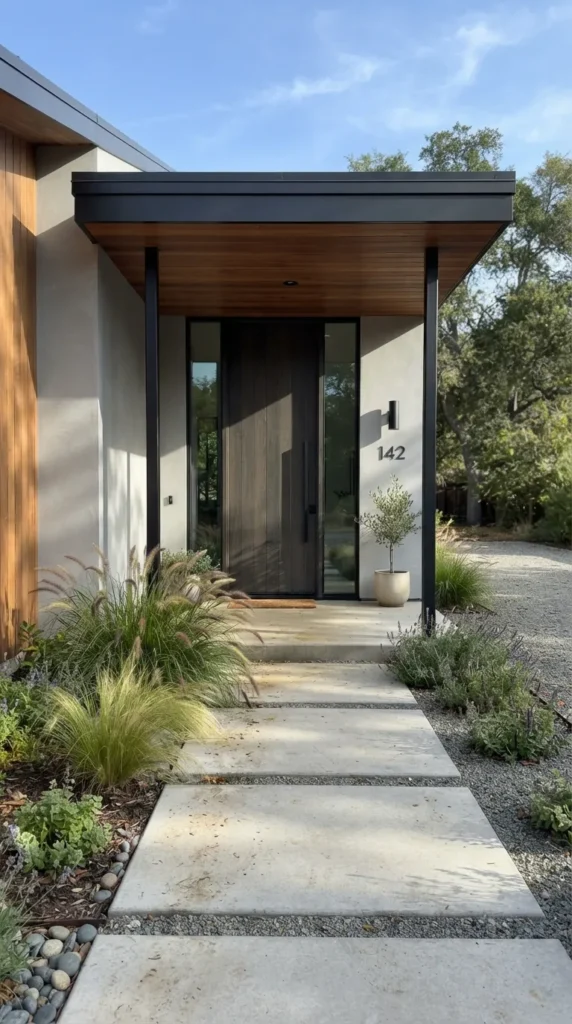
A flat roof porch gives your entry a clean, low key look that reads modern rather than traditional.
This porch roof design fits newer, boxier homes best, where a tall peaked roof would clash with the lines.
Plan your drainage with care, since flat surfaces need a slight slope or water starts pooling fast.
A bold, wide fascia board can turn this basic shape into a real style feature on its own.
3. Stretch an overhang for fast, simple shade
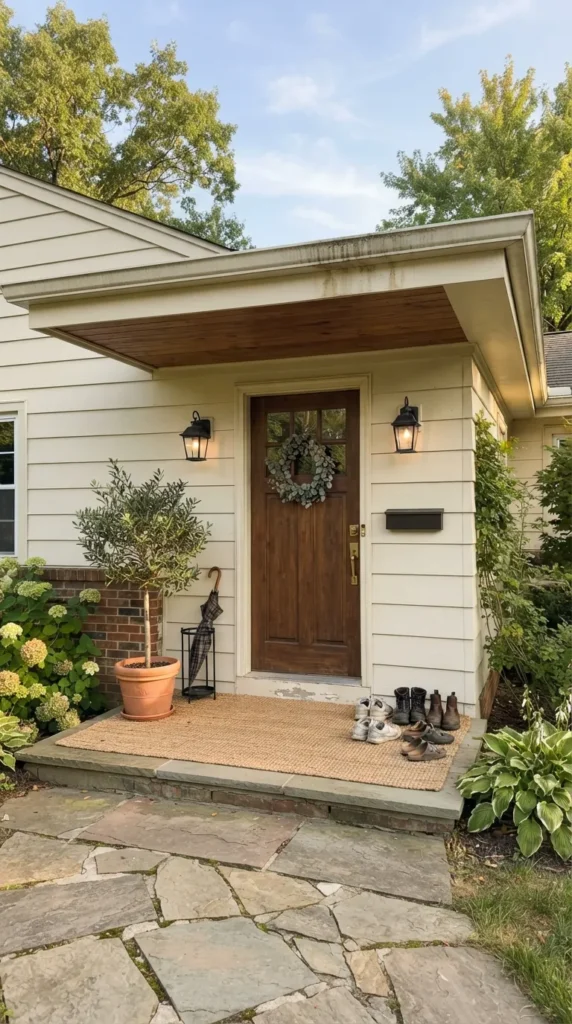
Extending an overhang off your existing eaves is often the quickest porch roof design to pull off.
You can frequently skip separate support posts entirely, which trims down both labor and material costs.
It still handles the real job, keeping harsh sun and rain away from your front door directly.
This route is ideal if all you want is basic coverage without a full structural build.
4. Bring porch style coverage over to the patio
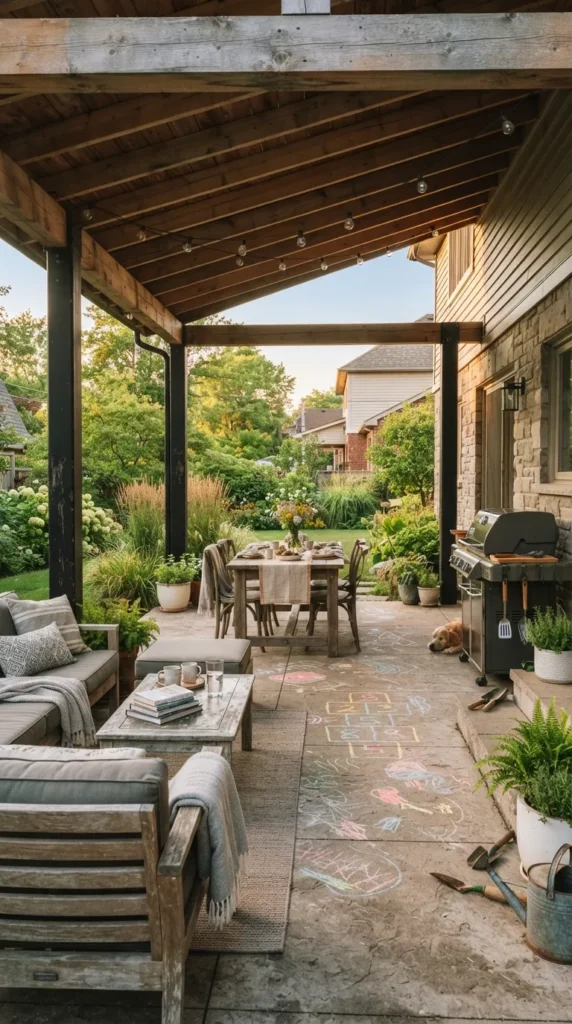
A patio roof attached to the house borrows the same logic as a porch roof, just across a wider footprint that covers more of your yard.
Carrying one continuous roofline over a bigger patio creates a single shaded zone for dining and relaxing outside well into the evening.
Evenly spaced support posts along the outer edge stop a longer span from sagging down the line.
This porch roof design choice turns a plain concrete slab into a genuine outdoor room.
5. Look beyond shingles for roofing material
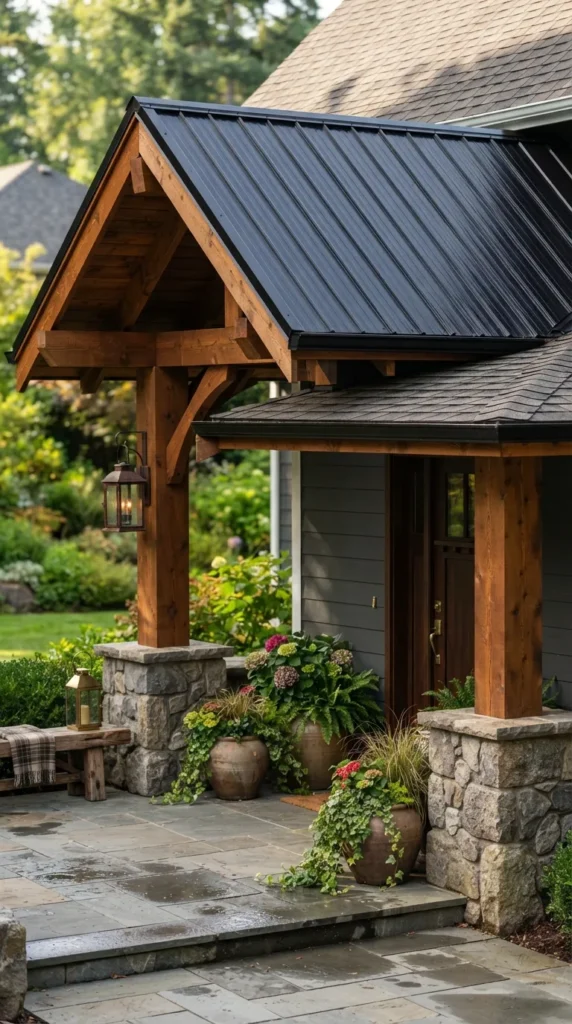
Outdoor roofing material does not need to match your main roof, and contrast often ends up looking sharper.
Corrugated metal panels bring a modern, barn inspired texture that pairs nicely with exposed wood posts.
Cedar shakes bring warmth and grain if your porch roof design leans toward cottage or craftsman style.
Polycarbonate panels let filtered light through if you want shade without losing all the natural brightness.
More Ideas to Love
6. Plan a roof addition that respects your home
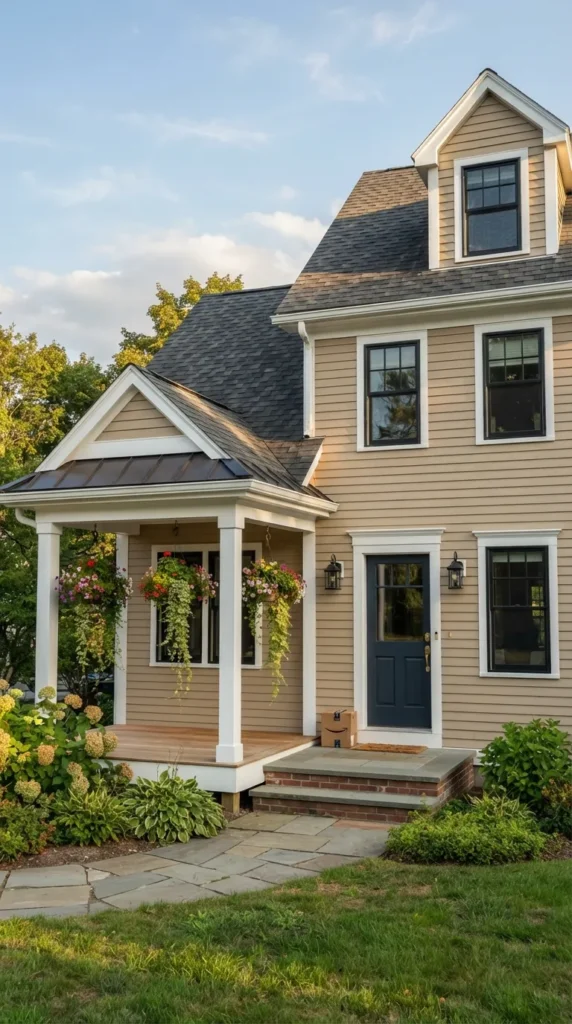
A roof addition should always echo the pitch, color, and material of your existing roof, not compete with it or clash visually.
Carrying the same shingle tone onto your new porch roof design keeps the whole exterior feeling unified from the street.
Skipping this step is honestly the top reason porch additions end up looking bolted on later.
A little extra planning here saves you from a mismatched roofline down the road.
7. Push the roofline out for real coverage
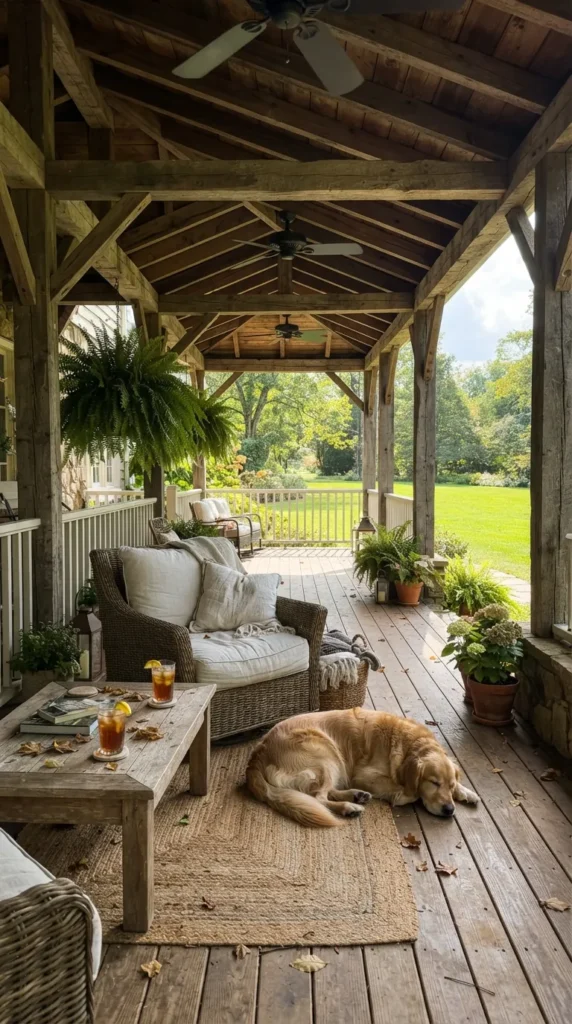
Extending a patio roof several extra feet buys you far more usable shade than one that barely clears the door on a sunny afternoon.
Furniture stays dry through a light rain once the roofline reaches past the edge of your seating area and out toward the yard.
This porch roof design detail matters most if you deal with strong afternoon sun or frequent summer storms.
A slightly deeper overhang also keeps the whole space cooler by blocking more direct heat overhead.
8. Match your roof style to your home’s character
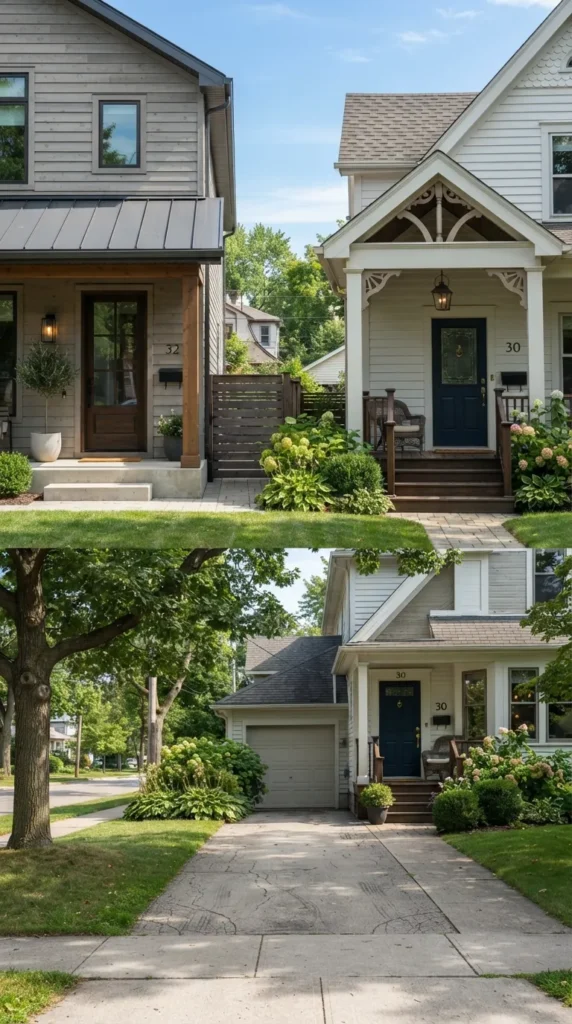
Porch roof styles range from a basic shed roof to a full gabled design with real architectural presence.
A shed roof is the simplest style to build and works on nearly any home, not gonna lie it is the most forgiving pick.
A gabled porch roof design brings real character to a craftsman or farmhouse style home, though it takes more skill.
Picking the right style mostly comes down to matching what your house already suggests on its own, without much guesswork.
9. Finish the whole porch, not just the roof
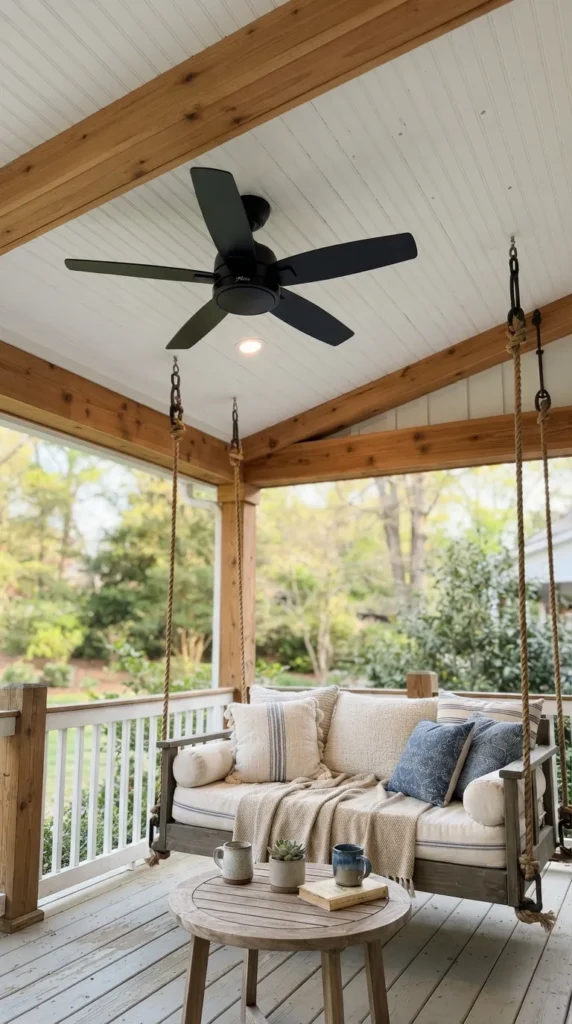
Covering a porch the right way goes beyond the roof itself, think ceiling detail, beadboard, and clean trim along every edge.
A painted beadboard ceiling in soft blue or crisp white instantly elevates a basic porch roof design without much extra cost.
Keep Reading
Adding trim along the roof edge gives the structure a finished, intentional look instead of a raw frame.
These small finishing touches separate a decent roof from a genuinely great one.
10. Keep it timeless with a classic gable
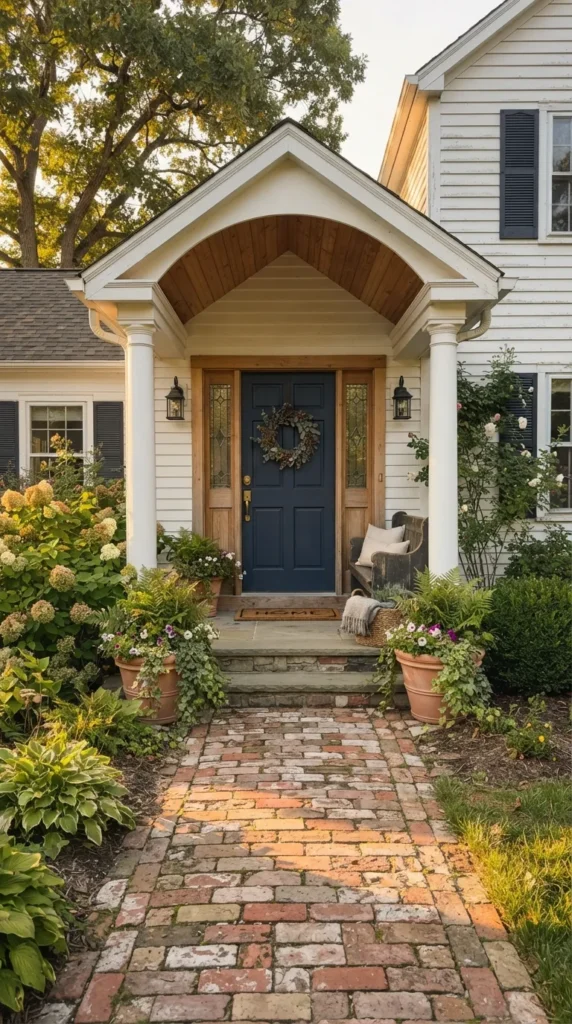
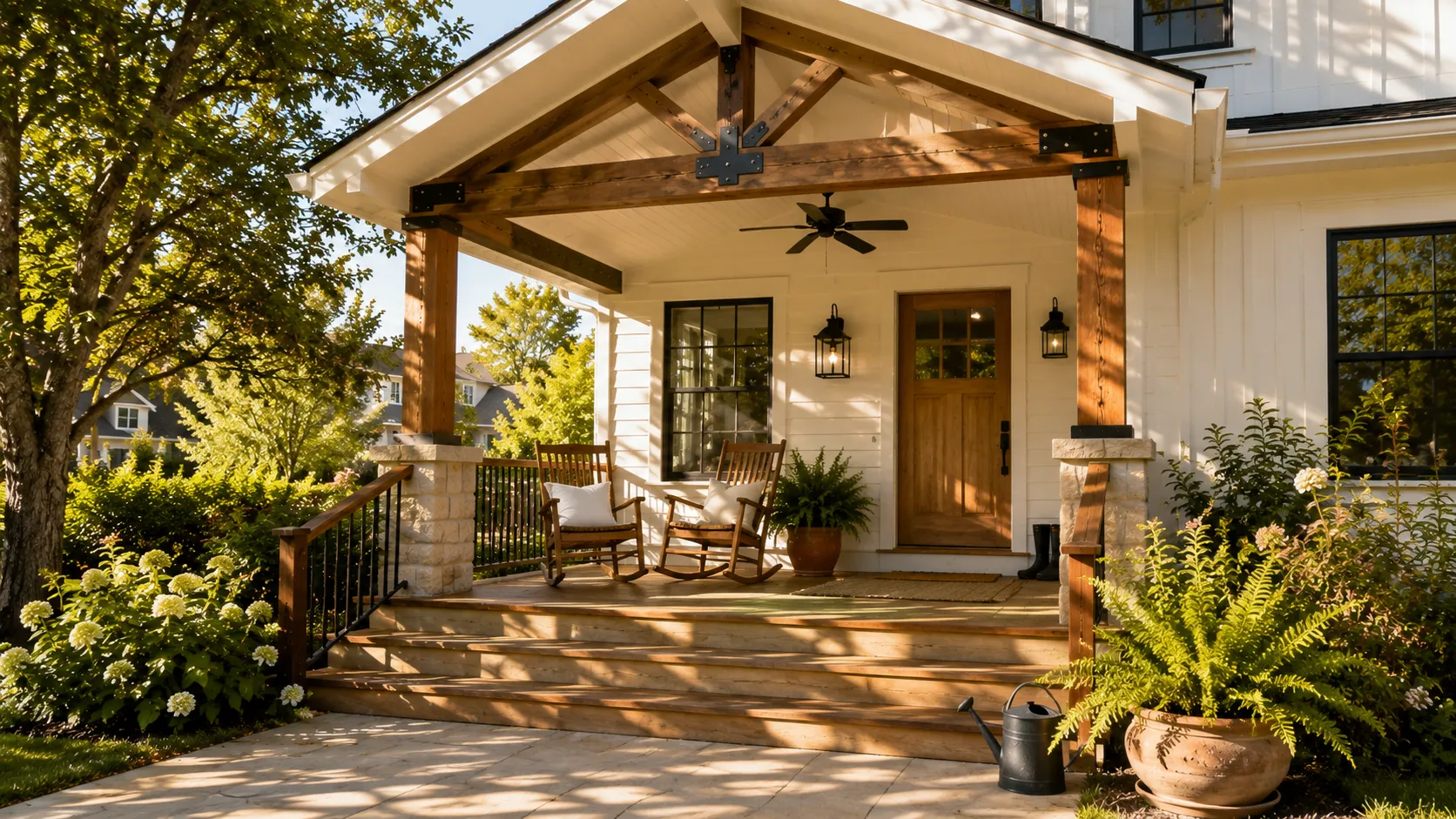
A classic front porch roof does not need to be complicated to work, sometimes a simple gable does it all.
A triangular gable roof set over the entry door is timeless and suits nearly every architectural style.
Adding decorative brackets underneath the eaves gives even a basic porch roof design a little extra charm.
This classic route makes a safe, reliable, low risk starting point whenever you are unsure which direction to take.
Choosing the right porch roof design really comes down to matching shade, style, and structure to the home you already own.
Pick whichever option fits your climate and your home’s existing lines, and the rest of the porch will follow naturally on its own.

I am Eleanor Foy, the mom of two behind DaisyHacks. I am a lover of clean, calm homes and a person who will happily spend 45 minutes researching a 5 minute cleaning hack. No regrets.