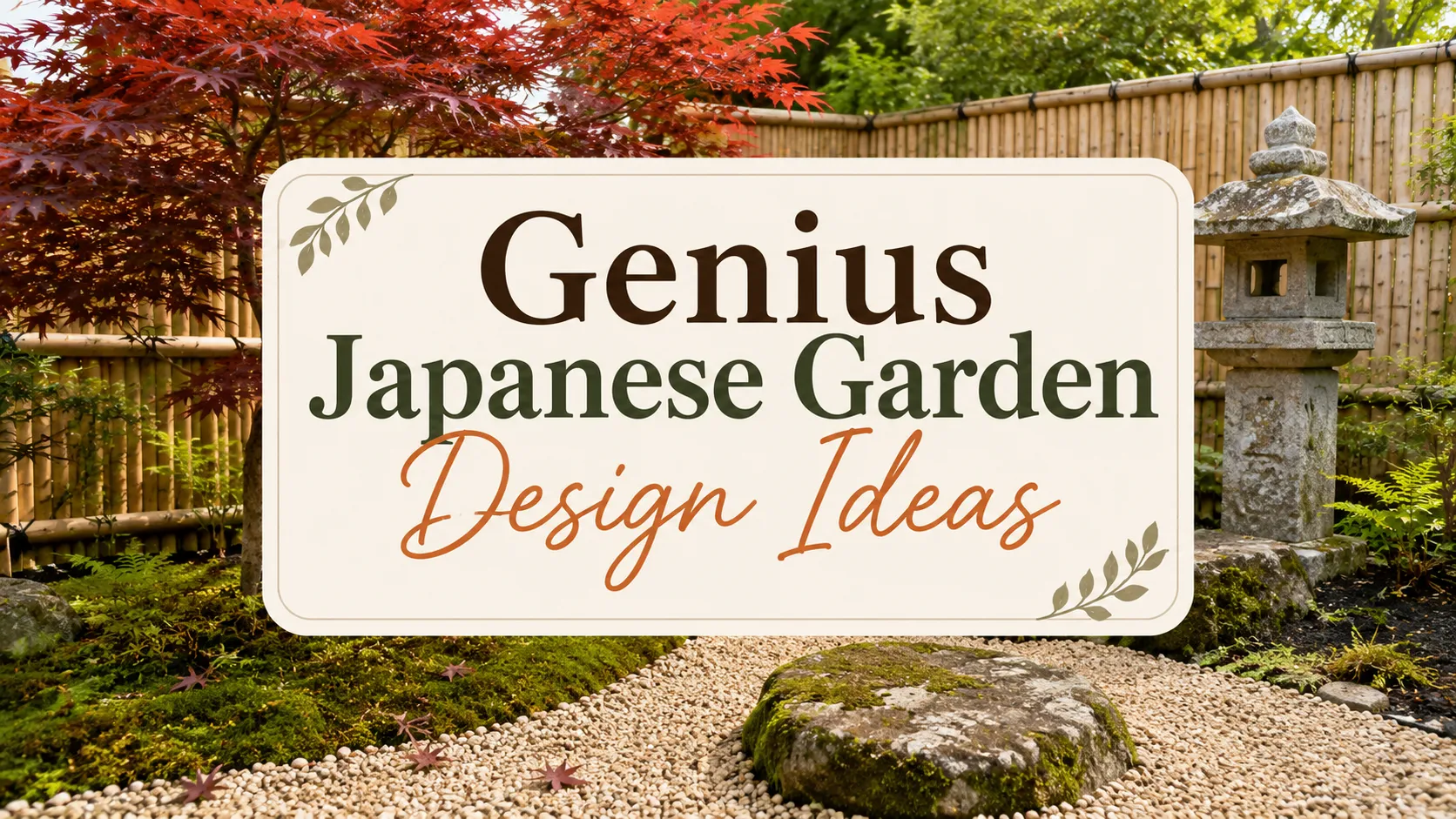
10 Genius Japanese Garden Design Ideas We Adore
Every backyard eventually starts feeling a little too busy, a little too loud, a little too same as everyone else’s.
You want something calmer and quieter, but you’re not totally sure where to even start.
Maybe it’s the mismatched planters by your back door, or that weird empty corner nobody knows what to do with.
Japanese garden design keeps popping up on your Pinterest saves for a reason.
Most people just buy random pretty plants and hope it works out, then wonder why the whole yard still feels chaotic and cluttered.
It’s not about buying more stuff, it’s about knowing what to leave out and where to leave it empty.
There’s a simple system behind every calm, well loved Japanese garden, and it’s way more doable than you think.
Here’s exactly how to bring that feeling home, no cap. 🍃
1. Start with a small Japanese garden design layout
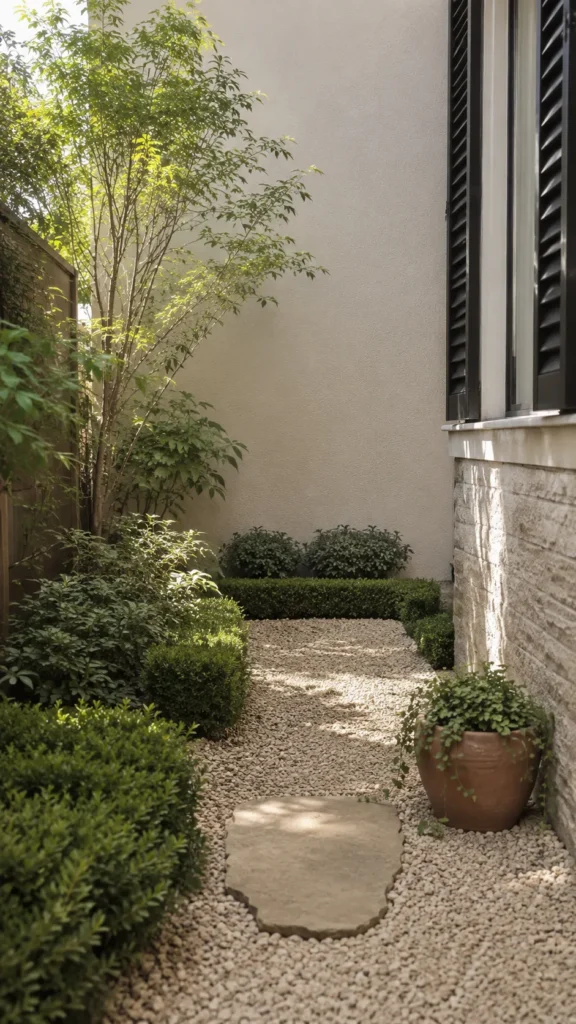
A good Japanese garden design always starts with a rough plan, not a plant list.
Sketch your space first and decide exactly where the eye should land when someone steps outside.
Leave visible gaps between elements so the whole yard can breathe instead of feeling packed or busy or overdone.
This one small step saves you from buying things you’ll just end up moving around later anyway.
2. Add a mini zen rock garden corner
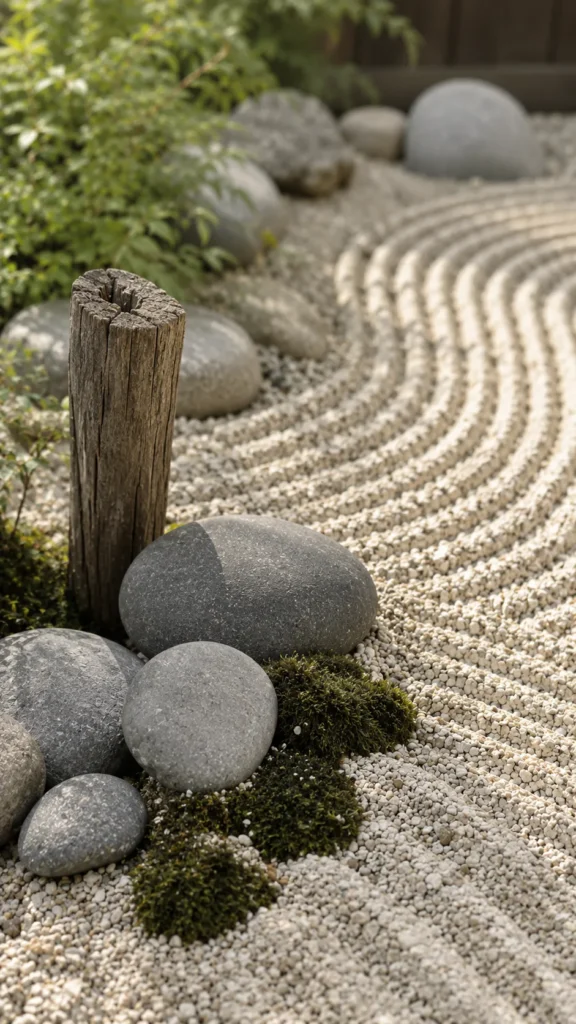
A small rock garden corner is one of the easiest ways to bring calm into a tiny yard.
Use a handful of smooth river stones and rake light lines into fine gravel for texture.
This idea works even in a five foot square patch by your fence or side gate, and it barely costs anything at all to set up.
It gives your eyes a quiet spot to rest between all the greenery, which is honestly the whole point of good Japanese garden design.
3. Choose plants for a peaceful garden aesthetic
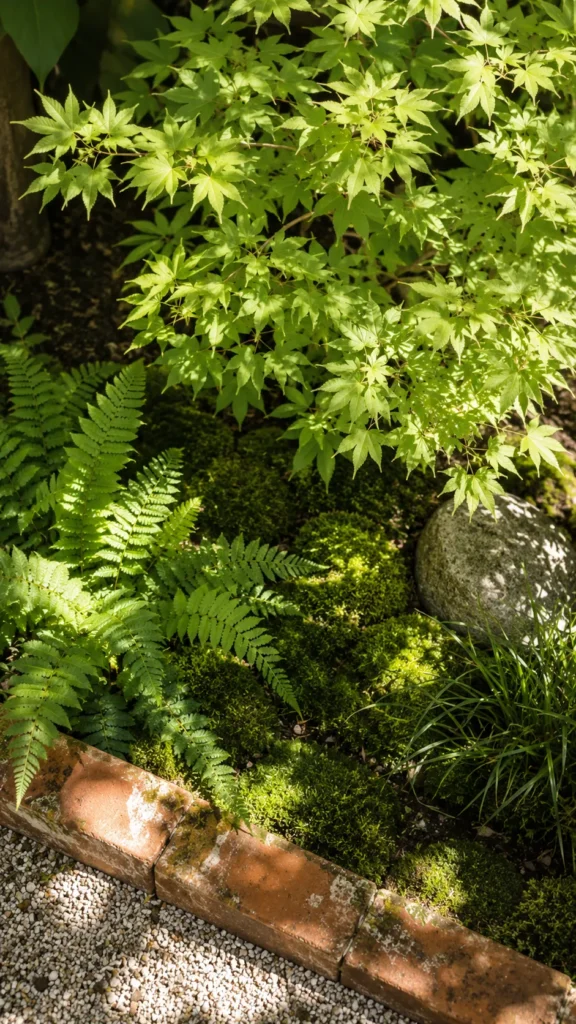
Stick to a short plant list instead of grabbing one of everything at the nursery.
Japanese maple, moss, and low ferns give you that layered, peaceful look without much fuss.
Repeating just a few plants throughout the whole space actually reads as more intentional than tossing in variety, and it’s a core rule in most Japanese garden design guides.
Less really does more here, and your maintenance list gets shorter too, which frees up your weekends.
4. Bring in low maintenance garden plants that thrive anywhere
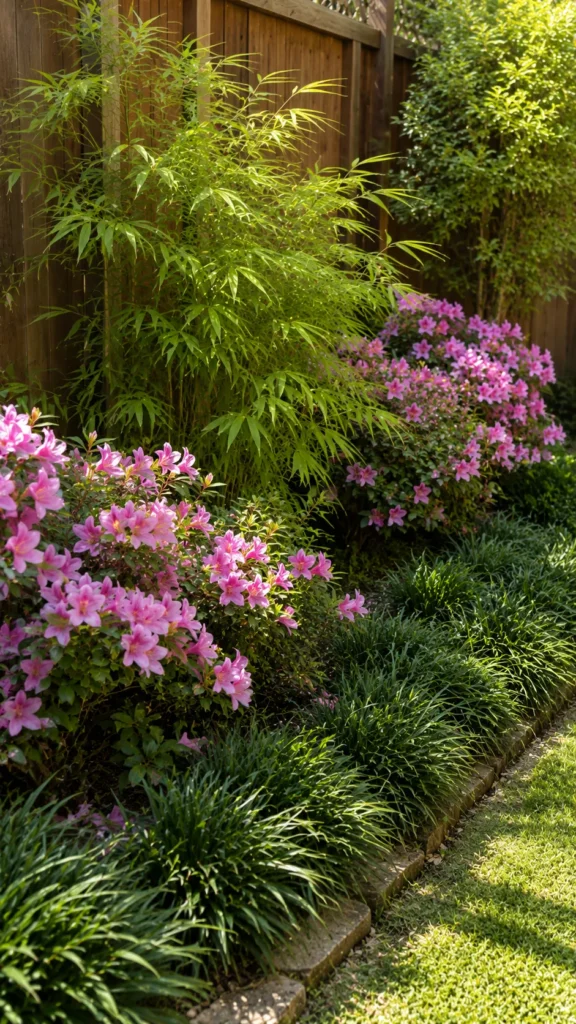
Pick plants suited to your actual climate instead of copying a garden from a totally different growing zone.
Mondo grass, azaleas, and bamboo grass all handle both shade and sun swings without much drama at all.
These plants hold their shape year round, so your layout stays consistent through every single season.
That consistency is honestly the secret to a garden that never looks messy, even after a busy week.
5. Try a contemporary garden with clean simple lines
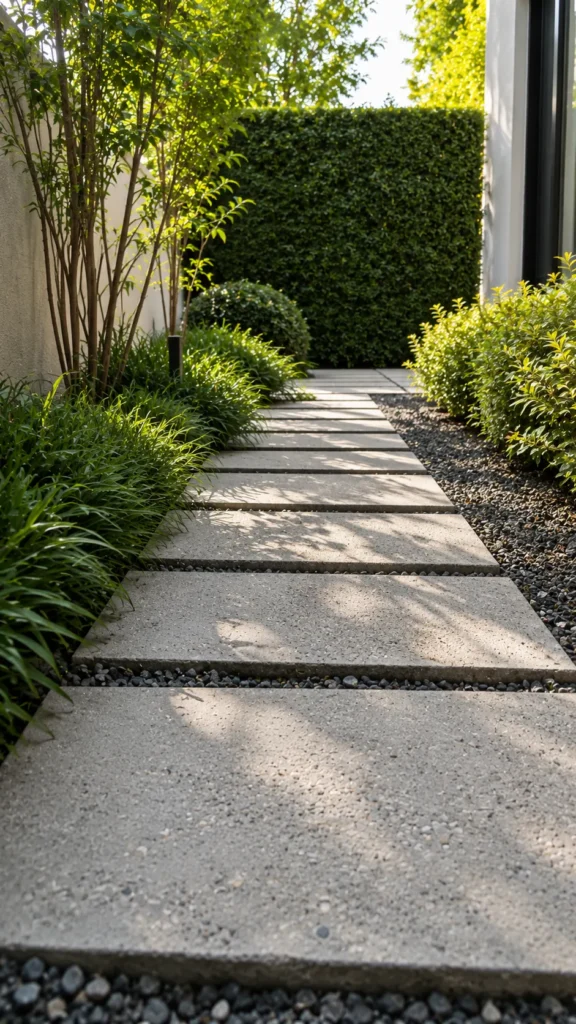
If a full traditional look feels like too much, a contemporary garden pulls the same calm into modern lines.
Swap curved stone paths for straight concrete pavers set with narrow gravel joints.
Keep the plant palette green and quiet so the hardscape becomes the visual interest, a trick borrowed straight from classic Japanese garden design.
It’s a lowkey way to get the mood without a full yard overhaul, and it suits smaller modern lots.
6. Design a welcoming Japanese front yard entrance
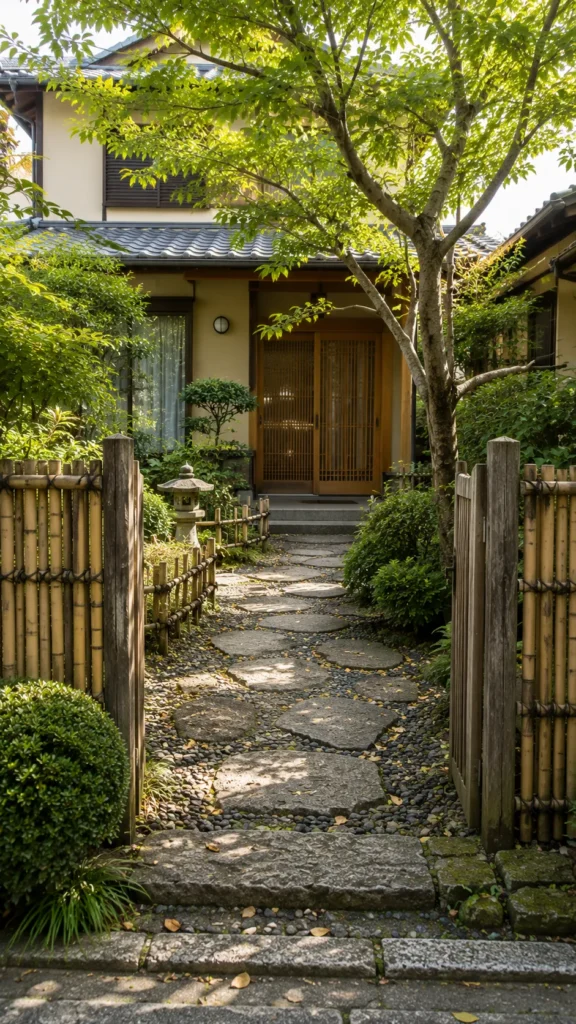
Your entrance sets the tone before anyone even reaches your actual front door.
A simple stone path, one sculptural tree, and a low bamboo fence do most of the work here.
Keep the color palette calm so the entrance feels intentional instead of cluttered or overdone.
Guests notice the shift in mood before they even realize why, and that impression sets up everything else.
7. Create a Japanese garden design retreat corner
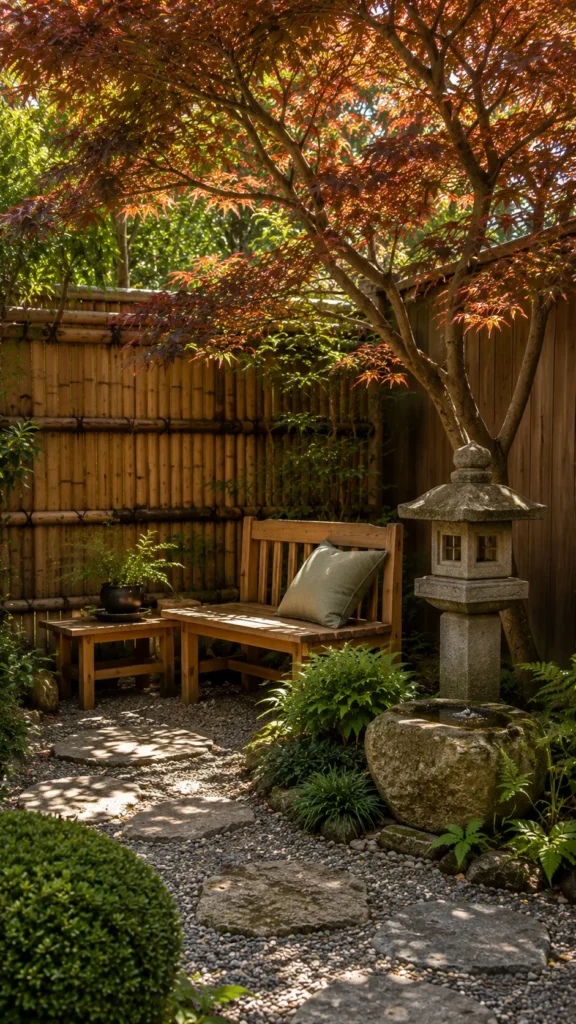
Pick one corner of your backyard and turn it into a proper Japanese garden design retreat.
Add a simple wood bench, a small maple, and a stone lantern for quiet evenings outside.
You don’t need the whole yard involved, just one honest, well used corner that feels genuinely yours.
That single spot ends up being where you actually sit the most, cup of tea in hand.
8. Build a DIY garden feature on a budget
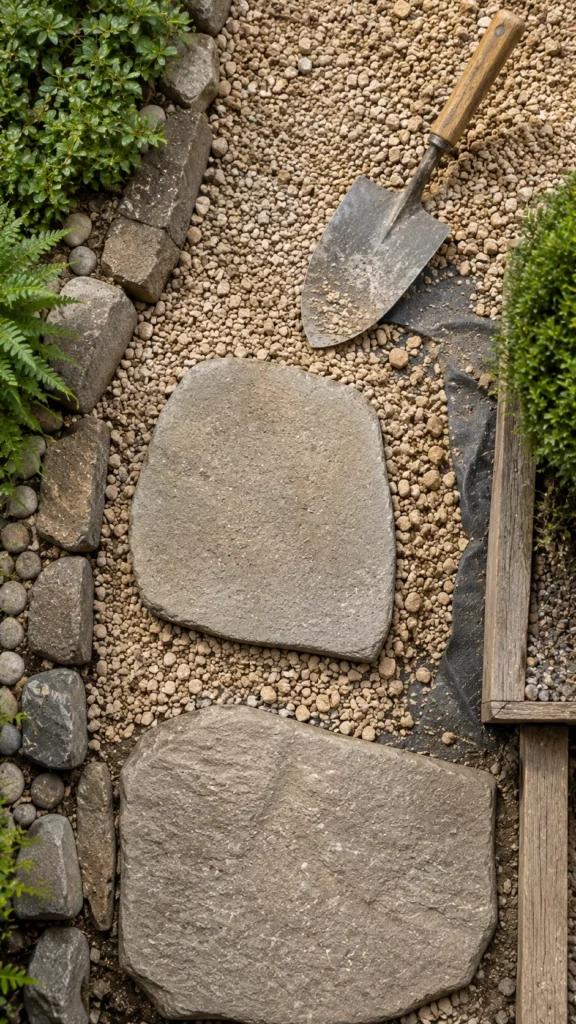
You can recreate this whole look without hiring a landscaper, one honest weekend project at a time.
Start with gravel paths and stepping stones first, since those cost the least and shift the whole feel fast.
Add a stone lantern or small water dish once the bones of the space feel right to you.
Small, steady changes add up faster than one big expensive redo ever does, and your wallet stays happier.
9. Add a simple water feature for calm
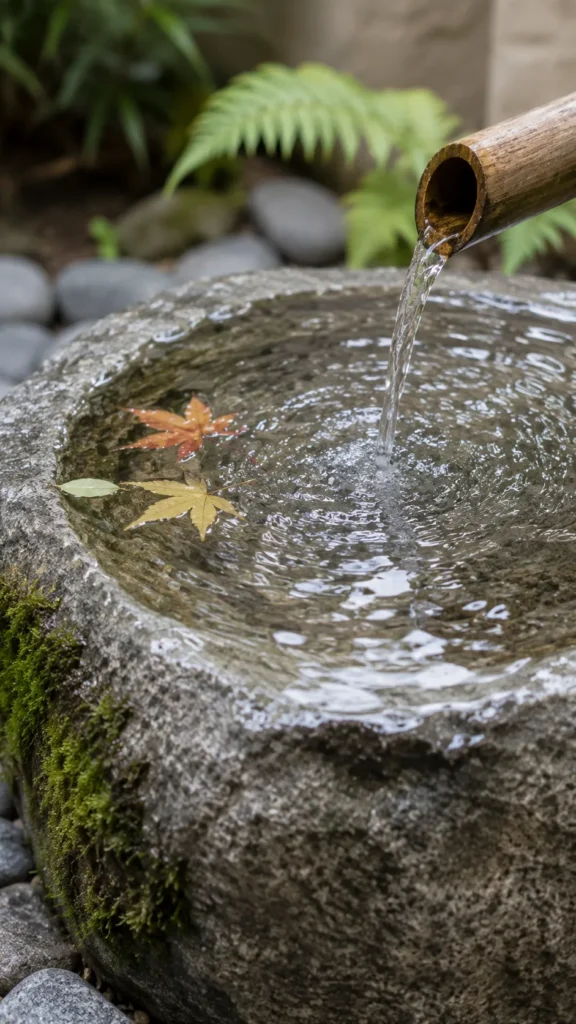
Moving water brings a genuine sense of calm that plants alone can’t quite match, one of the oldest tricks in Japanese garden design.
A small basin fountain or a shallow stone bowl works fine even in a compact yard.
Set it near a window or patio door so you actually hear it running every single day.
That small sound ends up doing more for your mood than most decor ever will, no cap.
10. Study real Japanese garden design details up close
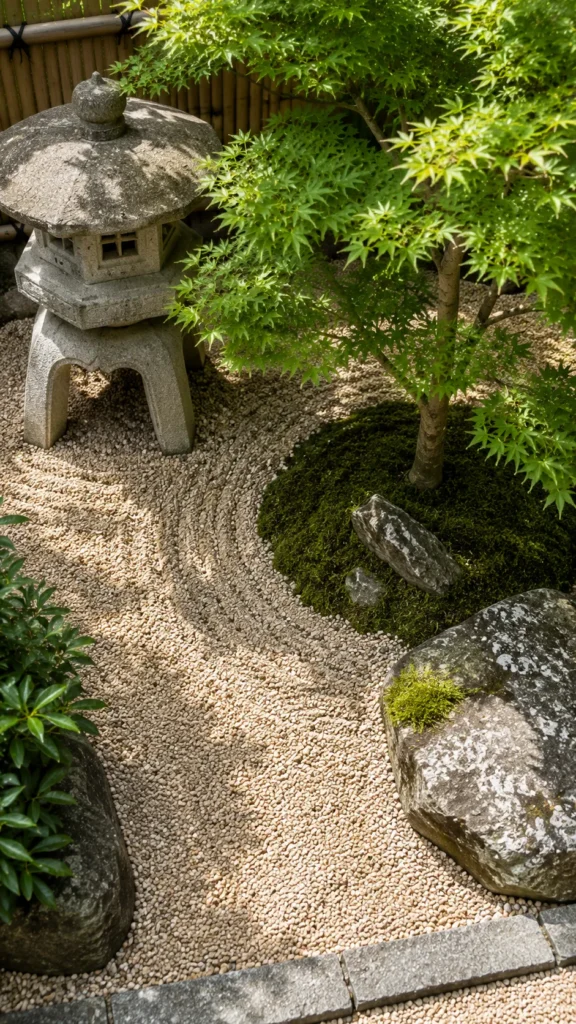
Before you commit to a full layout, look closely at real Japanese garden design examples for proportion and correct spacing.
Notice how much open space sits between each element instead of everything being crowded together in one spot.
Borrow the spacing rules even if you skip the exact same plants or materials.
That restraint is honestly the whole trick, not any single fancy object you can buy.
Japanese garden design isn’t about recreating a full temple courtyard in your own backyard, it’s about borrowing the calm.
Start with one small corner, keep the plant list short, and let the empty space do its actual job for you.
Your yard doesn’t need to be big to feel this settled, it just needs a little quiet intention. 🍃
10 Genius Japanese Garden Design Ideas We Adore