Simple Wall Cleaning Solution That Works in Minutes
Simple Wall Cleaning Solution That Actually Work
Walls are one of those things you completely ignore until one smudge catches the light at the wrong angle and suddenly it’s all you can see every time you walk past it.
You Might Also Like
Fingerprints crowding the light switch, a mystery streak in the hallway, something sticky near the kitchen that everyone in the house is pretending not to know about. It adds up quietly until the whole wall just looks off.
Most people assume cleaning walls means dragging out a bucket, hunting down some special cleaner, and losing a chunk of the afternoon. So the marks just stay there, which is honestly fair.
But there’s a simple wall cleaning solution you can throw together in two minutes from stuff already in your kitchen, and it actually lifts the marks without you having to scrub like you’re trying to sand the paint off.
What goes into this wall cleaning solution
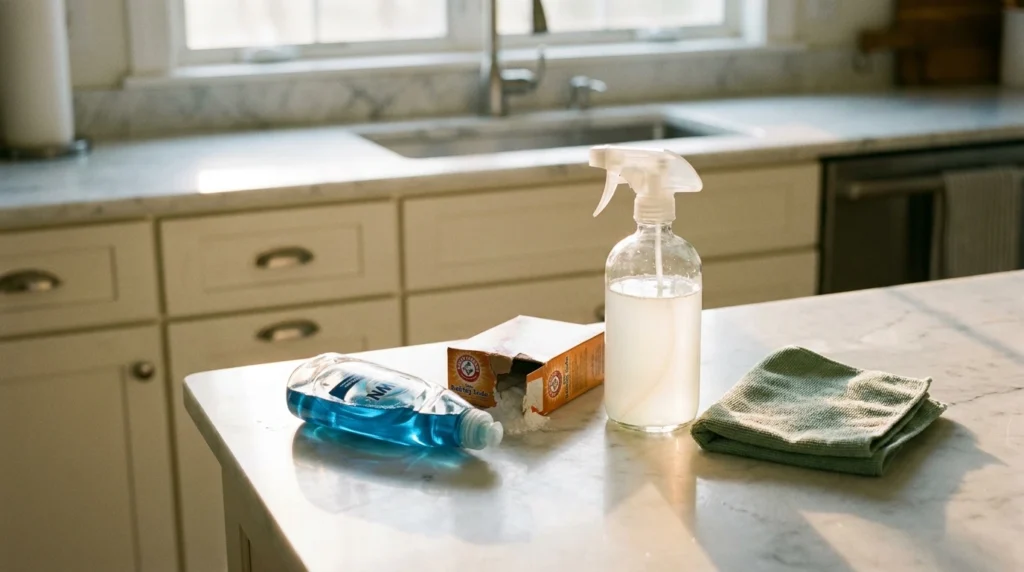
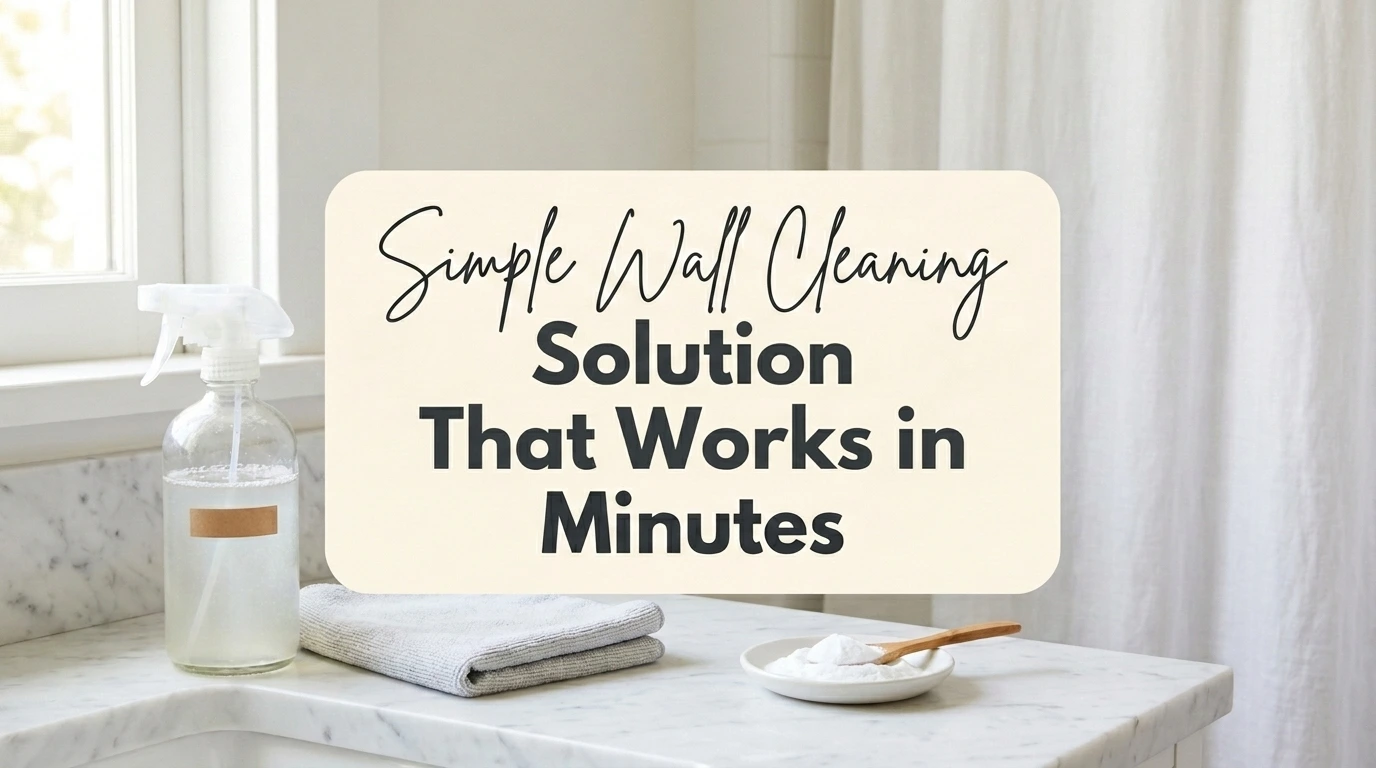
This is the mix that’s been going around on TikTok because it works on fingerprints, smudges, and those weird hallway streaks without any fancy products.
You probably have everything for it right now.
Ingredients
- 2 cups warm water
- 1 teaspoon dish soap
- 1 tablespoon baking soda
- 1 tablespoon white vinegar
You’ll also need
- Spray bottle
- Microfiber cloth or soft sponge
Steps
- Pour the warm water into a spray bottle.
- Add the dish soap, baking soda, and vinegar.
- Cap the bottle and give it a gentle swirl to bring everything together.
- Spray the solution onto your cloth, not directly onto the wall.
- Wipe in small sections, focusing on fingerprints, smudges, and the wall around light switches.
- Go back over with a clean damp cloth to pick up any leftover residue.
What to actually wipe the walls with
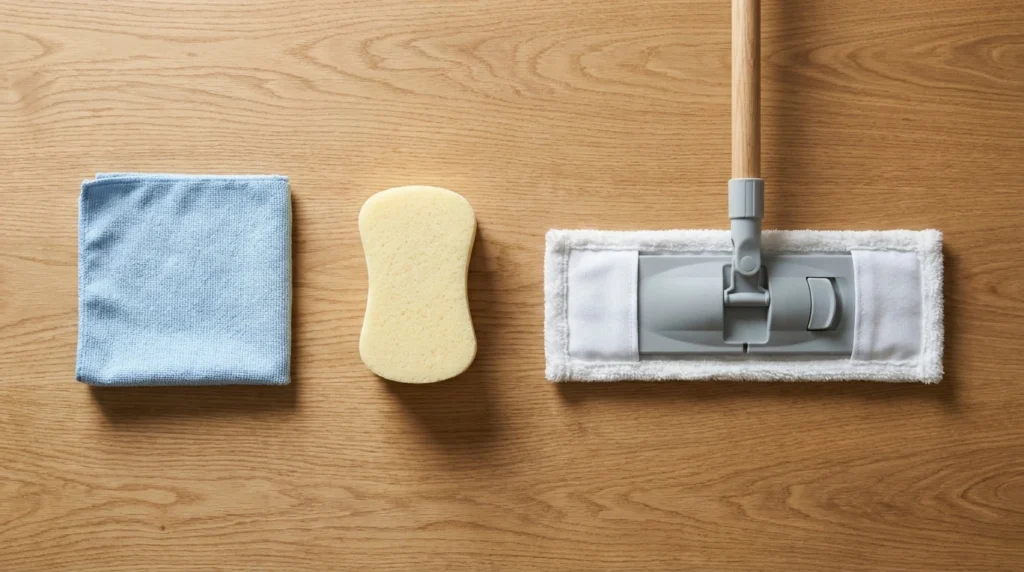
The solution does most of the work, but what you put it on makes a real difference in whether the wall ends up clean or just smeared. 🫧
Some materials just push the dirt sideways and leave streaks once everything dries.
Microfiber cloth
A microfiber cloth is the easiest grab because it actually lifts grime off the paint instead of dragging it around. It’s soft enough that you won’t scuff the finish, even if you go over the same spot a few times.
Soft sponge
For anything that needs a little more pressure, like sticky handprints near the kitchen table, a soft sponge gives you better control. Stick to the non-scratchy side so the paint stays intact.
Flat mop with a microfiber pad
This one sounds odd but it genuinely speeds things up when you’re doing a full wall. Instead of wiping the same small section over and over, you can move through a big stretch in just a few passes.
Whatever you use, keep it lightly damp rather than soaking wet. Too much liquid drips down the wall and leaves new marks behind, which kind of defeats the whole point.
The spots in your home that get dirty the fastest
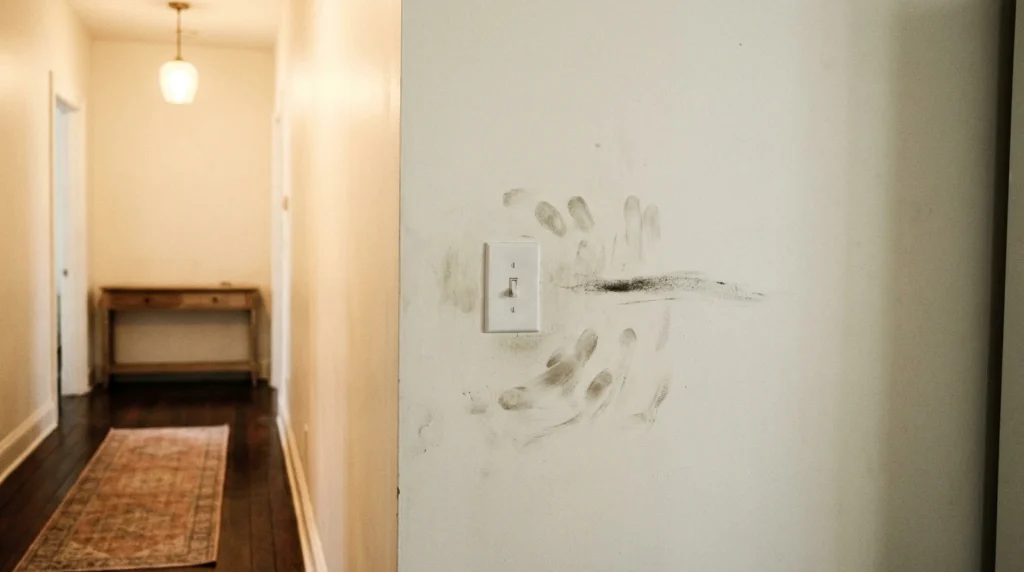
Some walls stay pretty clean for months while others seem to collect marks every single week. Once you start paying attention you’ll notice the same spots showing up every time.
It’s almost always the places you touch without thinking. Here’s where to focus first:
- Light switches and the wall right around them
- Hallways where you brush past the wall walking through
- Staircases along the railing side
- Kitchen walls near the table, trash can, or fridge
- Corners where kids or pets tend to bump into things
- The wall beside door frames where hands land on the way through
Once you start wiping those areas down regularly, the whole house looks cleaner without you ever having to go wall by wall through every room.
How to clean a whole room without it dragging on
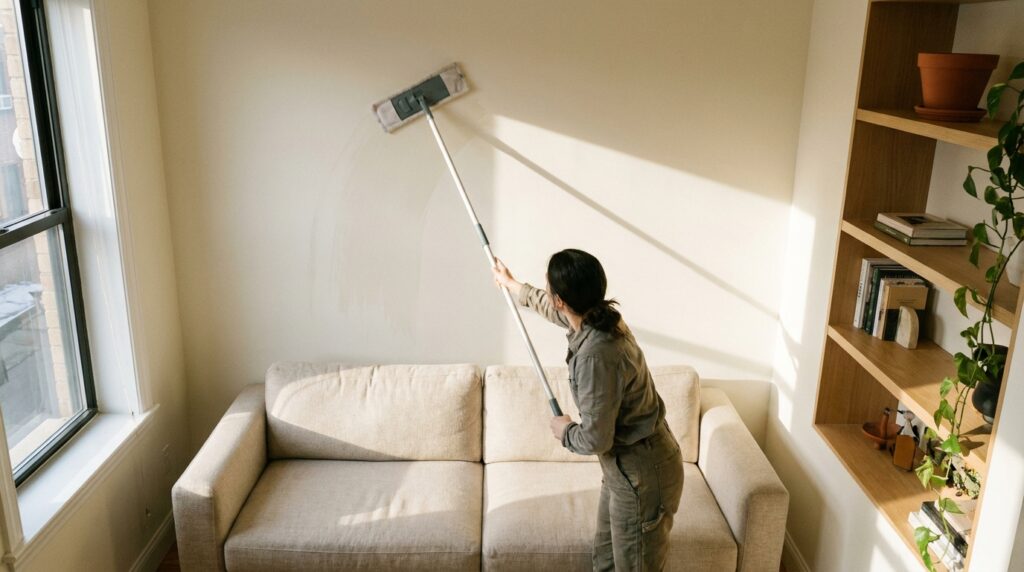
One smudge is easy. But when a few walls start looking grimy at the same time it helps to have a quick system so you’re not wandering around wiping random spots for an hour.
Work top to bottom so any drips or loosened dust fall onto wall you haven’t cleaned yet instead of landing on a section you already did. Start in one corner and move across in sections roughly the width of your arm before moving down.
If a mark doesn’t lift the first time, go over it again with a bit more pressure instead of spraying more solution onto the wall. Most rooms go faster than you’d expect once you get a rhythm going, and by the time you finish the last wall the whole space looks noticeably brighter.
When your walls are actually overdue for a wipe down
Most people don’t think about their walls until something catches the afternoon light and every fingerprint in the house becomes visible at once. The dirt builds up slowly so it’s easy to miss until the wall suddenly looks dull compared to everything else in the room.
Hallways are usually the first place it shows up because people are brushing past them all day. Kitchen walls pick up little splatters from cooking and from whatever happens near the table. Backpacks, pets, and kids leaning against the wall all leave marks over time that slowly make the paint look darker than it should.
If certain spots look noticeably different from the rest of the wall, or the whole thing just looks a bit tired, that’s the sign it’s time to grab your simple wall cleaning solution and do a quick pass. Lowkey it takes less time than you think.
How to keep walls from getting this dirty again
Walls are always going to pick up marks, especially in a busy house. The trick is keeping small smudges from stacking up until the whole wall needs a full clean.
A quick wipe of the high-traffic spots every couple of weeks makes a big difference. Light switches, hallway corners, and the wall stretch near the kitchen table are the usual suspects, and a damp microfiber cloth is usually all you need to pull fresh marks off before they settle into the paint.
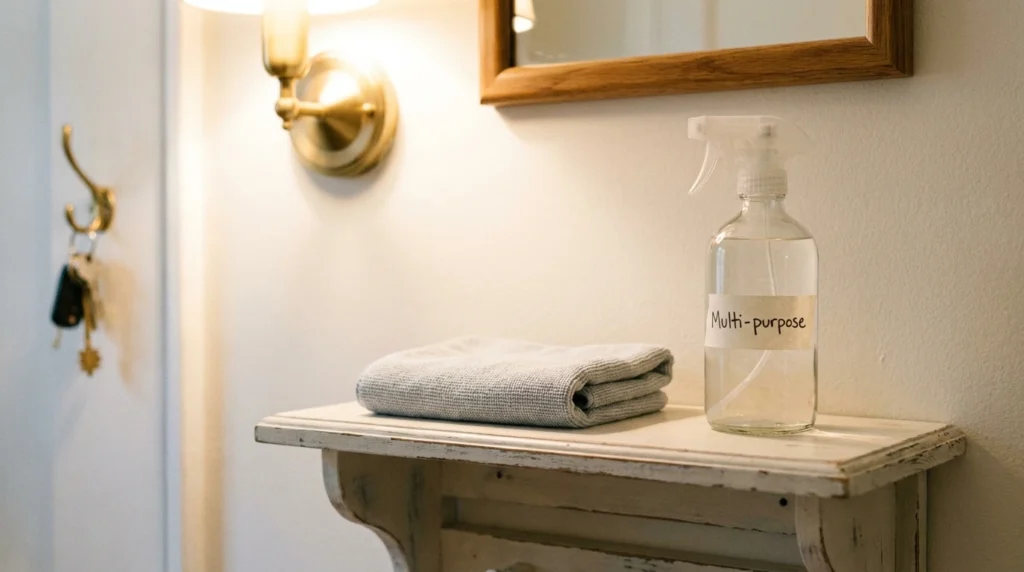
Wiping fingerprints when they show up instead of leaving them for weeks is the easiest habit you can build. Keeping a cloth and spray bottle somewhere nearby means cleaning a small mark takes ten seconds instead of turning into a whole thing later.
The fastest way to get your walls looking clean again
Walls quietly collect fingerprints, smudges, and random streaks until one day the whole room just looks a little off. This simple wall cleaning solution gets rid of those marks without turning it into a cleaning project.
A quick pass with the mixture handles everything around light switches, hallways, and the spots that get the most traffic. Once the walls are done the whole room looks better, and you only spent a few minutes on it.

I am Eleanor Foy, the mom of two behind DaisyHacks. I am a lover of clean, calm homes and a person who will happily spend 45 minutes researching a 5 minute cleaning hack. No regrets.