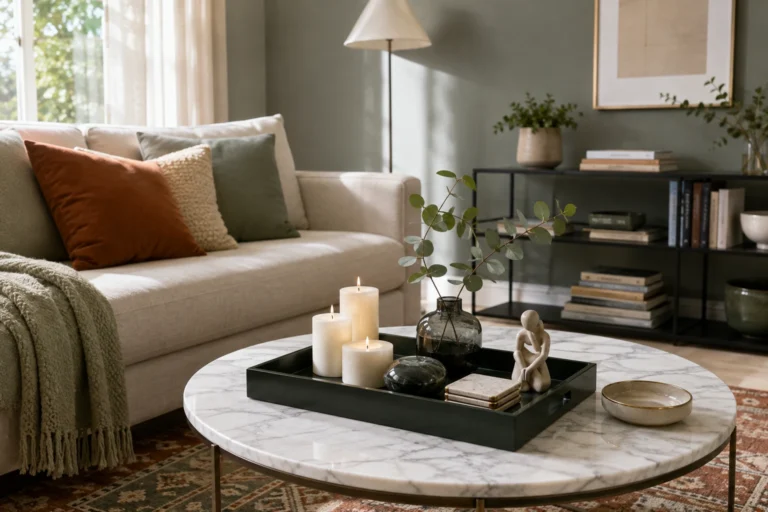

20 Small Space Decorating Mistakes That Make Rooms Feel Cramped
Small rooms have a funny way of showing every choice, especially the ones nobody meant to make permanent.
You Might Also Like
Most small space decorating mistakes start innocently, like buying a cute chair before checking if the closet door can still open.
The frustrating part is that tiny homes do not leave much room for guessing, returning, or pretending the oversized coffee table is fine.
There is usually an easier fix than starting over, and sometimes it is just moving one thing three inches to the left.
The goal is just to make the room feel calmer, easier to use, and less like the furniture is slowly closing in.
1- Buying Furniture Before Measuring

Measuring sounds obvious, but this is where so many small rooms start going sideways.
People see a sofa online, check the price, and forget to check whether it blocks the walkway or eats the whole wall.
Measure the wall, the doorway, the elevator, and the little corner where the delivery person will definitely struggle.
Painter’s tape on the floor works better than trying to imagine the footprint in your head.
Once the outline is down, the room usually tells the truth pretty fast.
2- Choosing Furniture That Is Too Big

Oversized furniture can make a small room feel like it is holding its breath.
A deep sofa, chunky recliner, or massive desk may technically fit, but fitting is not the same as working.
The real test is whether people can walk around it without turning sideways or bumping a shin every morning.
This works best when the biggest piece has clean lines, raised legs, or a lighter frame.
The room feels calmer when the furniture is not demanding all the attention.
3- Choosing Furniture That Is Too Small

This sounds strange at first, but tiny furniture can make a small room feel awkward too.
A little sofa with little tables and little art can start looking like a waiting room nobody finished decorating.
One properly sized sofa often works better than several mini pieces scattered around the room.
The trick is choosing scale carefully instead of assuming small room means smallest option.
A room feels more settled when at least one piece has enough presence to anchor it.
4- Using a Rug That Is Too Small

Tiny rugs are one of those small space decorating mistakes people notice without knowing why.
A five by seven rug in a living room can look like a bath mat trying its best.
For most small seating areas, the front legs of the sofa and chairs should land on the rug.
If the budget is tight, a larger simple rug usually looks better than a tiny fancy one.
The floor feels more connected when the rug actually holds the space together.
5- Pushing Every Piece Against the Wall

Most people push furniture to the walls because it feels like the safe choice.
The thing is, a room can feel more cramped when everything lines the edges like a doctor’s office.
Pulling the sofa even twelve inches from the wall can make the layout feel more intentional.
An angled chair can also soften a tight room, as long as it does not block the walking path.
Most rooms actually breathe better once the furniture stops hugging the walls.
6- Forgetting Real Walkways

A small room gets annoying fast when every path feels like an obstacle course.
People need space to cross the room, open drawers, and carry laundry without performing tiny apartment gymnastics.
Three feet is lovely for a main walkway, but even a clear narrow path is better than nothing.
Leave about eighteen inches between seating and a coffee table when possible.
The room feels easier when movement is planned instead of squeezed in later.
7- Relying Only on Overhead Lighting

Overhead lighting can make a small apartment feel cold, flat, and weirdly exposed.
It is the kind of light that makes crumbs, cords, and tired faces all equally visible.
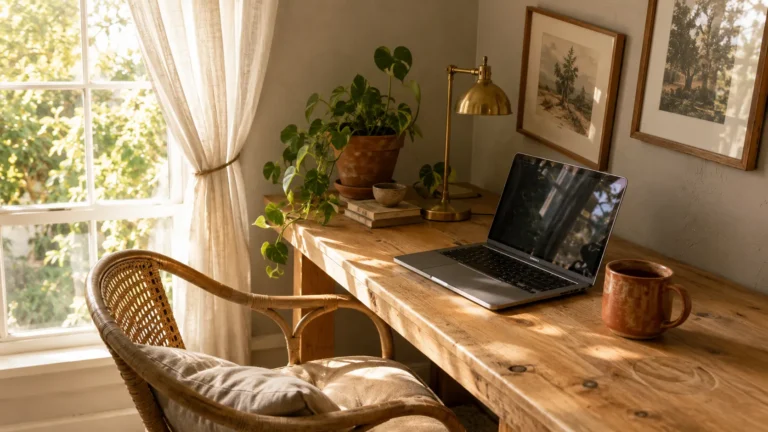
Try using lamps at different heights, like a floor lamp, table lamp, and small accent lamp.
Warm white bulbs around 2700K usually feel softer than bright white bulbs.
Once the overhead light is not doing all the work, the room feels less harsh.
8- Hanging Curtains Too Low

Curtains hung right at the window frame can make ceilings feel shorter than they are.
Most people do it because the rod placement seems logical, which is fair.
Hang the rod close to the ceiling and extend it several inches past the window on each side.
Light linen or sheer panels work well when the room needs brightness more than blackout coverage.
The window looks bigger without anyone needing to replace the actual window.
9- Blocking Natural Light

Small rooms need every bit of daylight they can get.
A tall bookcase, heavy curtain, or chair shoved into the window can make the whole room feel dull.
Keep the window area as open as possible, especially in apartments that already feel dark.
A mirror across from the window can bounce light around, which sounds weird but actually works.
Even a little reflected light makes the room feel less closed in.
10- Skipping Vertical Storage

Floor space disappears fast in a small home, especially once shoes, bags, and baskets show up.
Vertical storage matters because walls usually have more to give than the floor does.
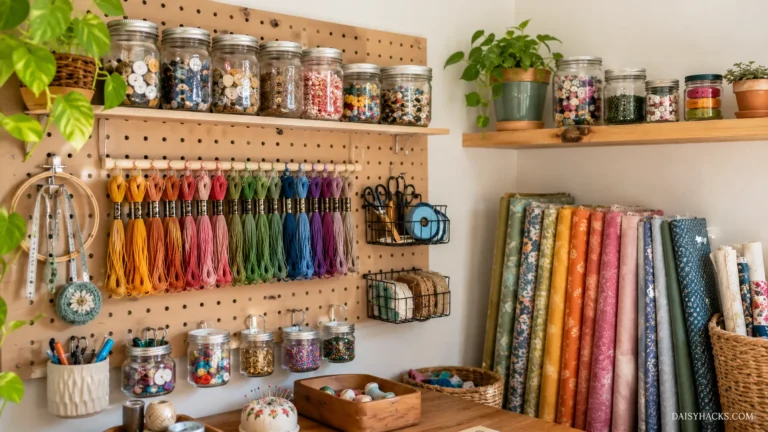
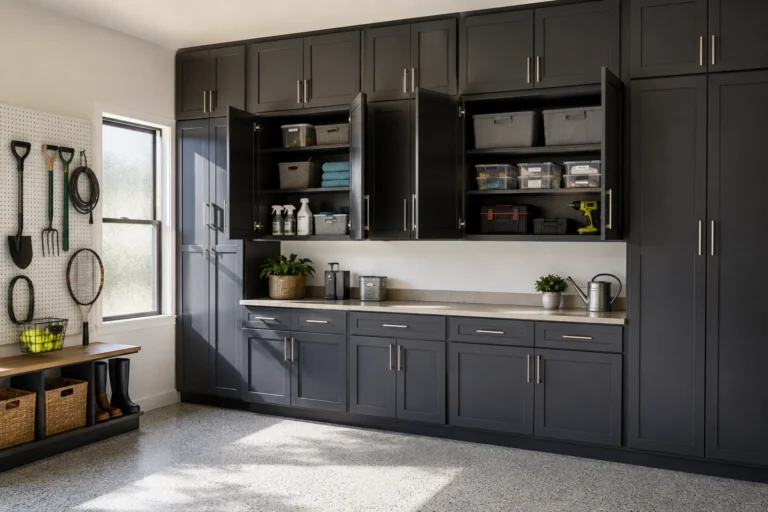
High shelves, wall hooks, over door organizers, and tall cabinets can hold things without crowding the room.
This works best when the storage is not overloaded with every random object in the house.
The room feels taller and calmer when storage moves upward instead of outward.
11- Choosing Open Shelves for Everything

Open shelving looks cute online until real life starts leaving vitamins, receipts, and dusty mugs everywhere.
In small kitchens especially, open shelves can become visual clutter faster than anyone expects.
A little open shelving is fine for pretty dishes or things used every day.
Closed storage is usually better for snacks, extra cords, medicine, and the mystery pile nobody wants to sort.
Small rooms feel calmer when not every single thing is on display.
12- Ignoring Entryway Storage

A small apartment without an entryway can become a shoe explosion by Tuesday.
Coats, bags, keys, and mail need a landing spot, even if the door opens straight into the living room.
A narrow shoe cabinet, a few wall hooks, and a small mirror can create a pretend entry.
This works best when the cabinet is slim enough that people are not squeezing past it.
Having one drop zone keeps the clutter from spreading through the whole place.
13- Using Too Many Tiny Decor Pieces

Lots of tiny decor can make a small room feel busy instead of cozy.
Little candles, little frames, little bowls, and little seasonal things start blending into one noisy shelf.
Fewer larger pieces usually look more intentional and are easier to dust, which is always a nice surprise.
A big vase, larger art print, or single tray can do more than ten small objects.
The room feels cleaner when the eye has fewer places to stop.
14- Forgetting a Clear Anchor Point

Some small rooms feel off because nothing is really in charge.
The sofa floats visually, the art is too small, and the TV becomes the only thing the room is pointing at.
An anchor can be a large rug, a main artwork, a sofa wall, or a simple media cabinet.
This works best when the anchor matches how people actually use the room.
The space feels more settled when one area quietly leads the layout.
15- Using Too Many Patterns

Patterns can be fun until a small room starts feeling like every pillow has a different opinion.
Mixing stripes, florals, checks, and busy rugs gets loud very quickly in tight spaces.
Pick one main color family and let the patterns share at least one tone.
Texture can add interest without making the room feel chaotic.
The room still has personality, just with fewer things competing for attention.
16- Thinking White Paint Fixes Everything

White walls are not wrong, but they are not magic either.
Sometimes a plain white room with bad lighting just feels chilly and unfinished.
Soft warm neutrals, muted colors, or even a darker cozy shade can work in a small space.
A single accent wall can chop up the room, so wrapping the color around often feels smoother.
I think small rooms look best when the color feels intentional, not just default.
17- Letting the Small Kitchen Counters Disappear

Small kitchen counters get swallowed by appliances faster than anyone wants to admit.
A microwave, coffee maker, toaster, dish rack, and fruit bowl can leave about six inches for actual cooking.
Store single use gadgets somewhere else if they only come out twice a year.
Wall rails, magnetic strips, and cabinet organizers can free up the surface without adding more furniture.
Counter space feels bigger when only the daily things get prime real estate.
18- Buying Trendy Pieces Too Fast

Filling a small home quickly can feel productive, but it often creates expensive clutter.
Random cheap furniture has a way of becoming permanent because moving it feels like a whole situation.
Going slower gives people time to notice what the room actually needs.
Marketplace finds, thrifted tables, and estate sale pieces can work well, though used soft furniture deserves caution.
A small space feels better when every piece earns its spot.
19- Forgetting Under Bed Storage

The space under the bed is too useful to waste in a small room.
It can hold luggage, linens, off season clothes, extra bedding, and all the things nobody wants in plain sight.
A tall bed frame, storage bed, or lift up base makes the storage easier to use.
Clear bins work fine, but covered fabric bins look calmer if they show from the side.
Hidden storage is one of the quietest fixes for small space decorating mistakes.
20- Leaving Cords and Visual Clutter Out

Cords look messier in small rooms because there is nowhere for them to hide.
One dangling lamp cord or tangled charger pile can make a tidy room feel unfinished.
Cord covers, cable boxes, and simple clips can clean up the view pretty quickly.
This works best when outlets and lamps are planned before the furniture gets shoved into place.
The room feels calmer when the little visual messes stop stealing attention.
Small Rooms Feel Better When They Breathe
Most small space decorating mistakes are not disasters, they are just choices that need a little adjusting.
A room can feel easier with better lighting, better scale, and a few less things sitting on the floor.
The nicest small spaces usually look lived in, not perfect or empty.
Sometimes the best fix is just clearing one path and letting the room exhale a little.
I am Eleanor Foy, the mom of two behind DaisyHacks. I am a lover of clean, calm homes and a person who will happily spend 45 minutes researching a 5 minute cleaning hack. No regrets.